Urban Art for Modern Interiors
Modern interiors are no longer just about furniture and design—they are about identity. In contemporary spaces, art is not a decorative afterthought, but a central element that defines atmosphere, rhythm, and emotional depth. Among the many artistic languages available today, urban art has emerged as one of the most powerful choices for modern interiors.
Why Urban Art Works in Contemporary Spaces
Urban art carries the visual language of the city—layers, textures, contrasts, and movement. It reflects the complexity of modern life while maintaining a strong aesthetic presence.
Unlike traditional decorative pieces, urban-inspired paintings introduce:
- Energy through dynamic compositions
- Depth through layered textures and surfaces
- Narrative rooted in real environments and lived experiences
In minimalist interiors, urban art creates a striking focal point. In more eclectic spaces, it reinforces character and continuity.
A Dialogue Between Structure and Emotion
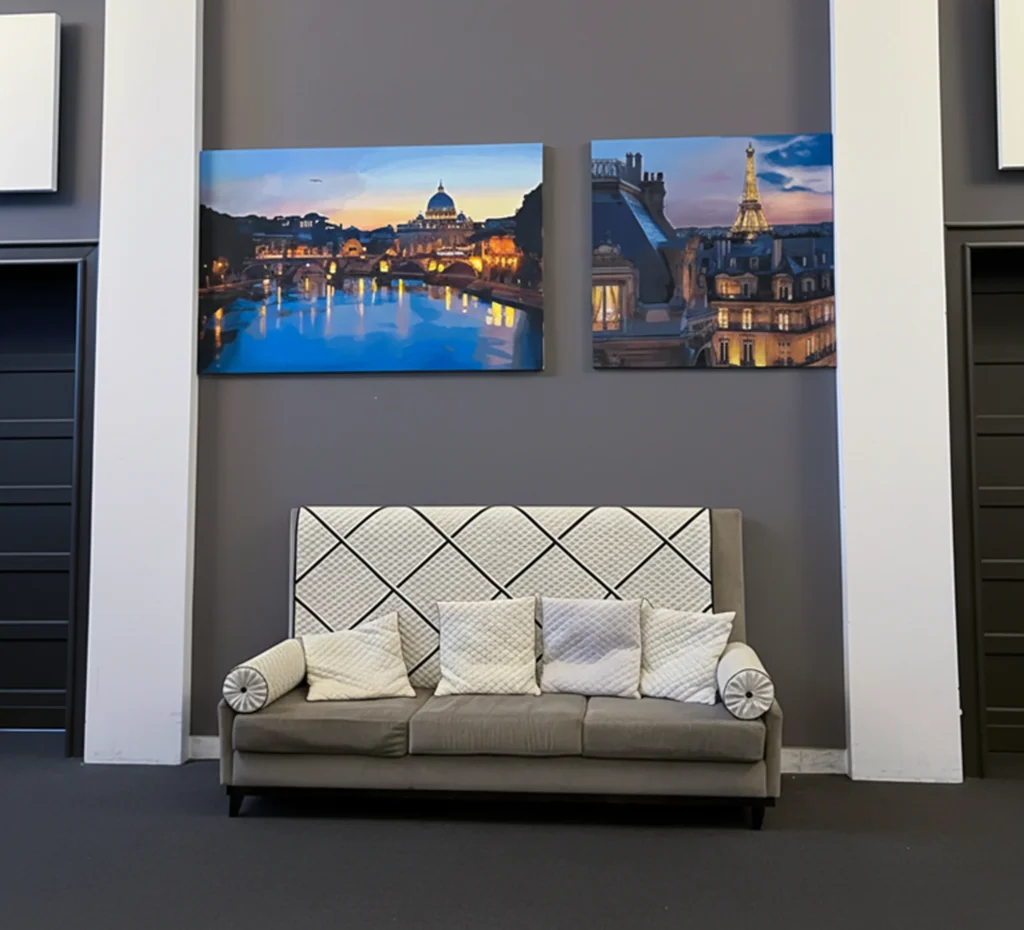
Modern interiors are often defined by clean lines, neutral palettes, and architectural precision. Urban art interacts with this structure by introducing a controlled disruption.
The contrast is essential:
- Rigid spaces vs. fluid textures
- Neutral tones vs. expressive color fields
- Silence vs. visual storytelling
This balance transforms a space from purely functional to deeply personal.
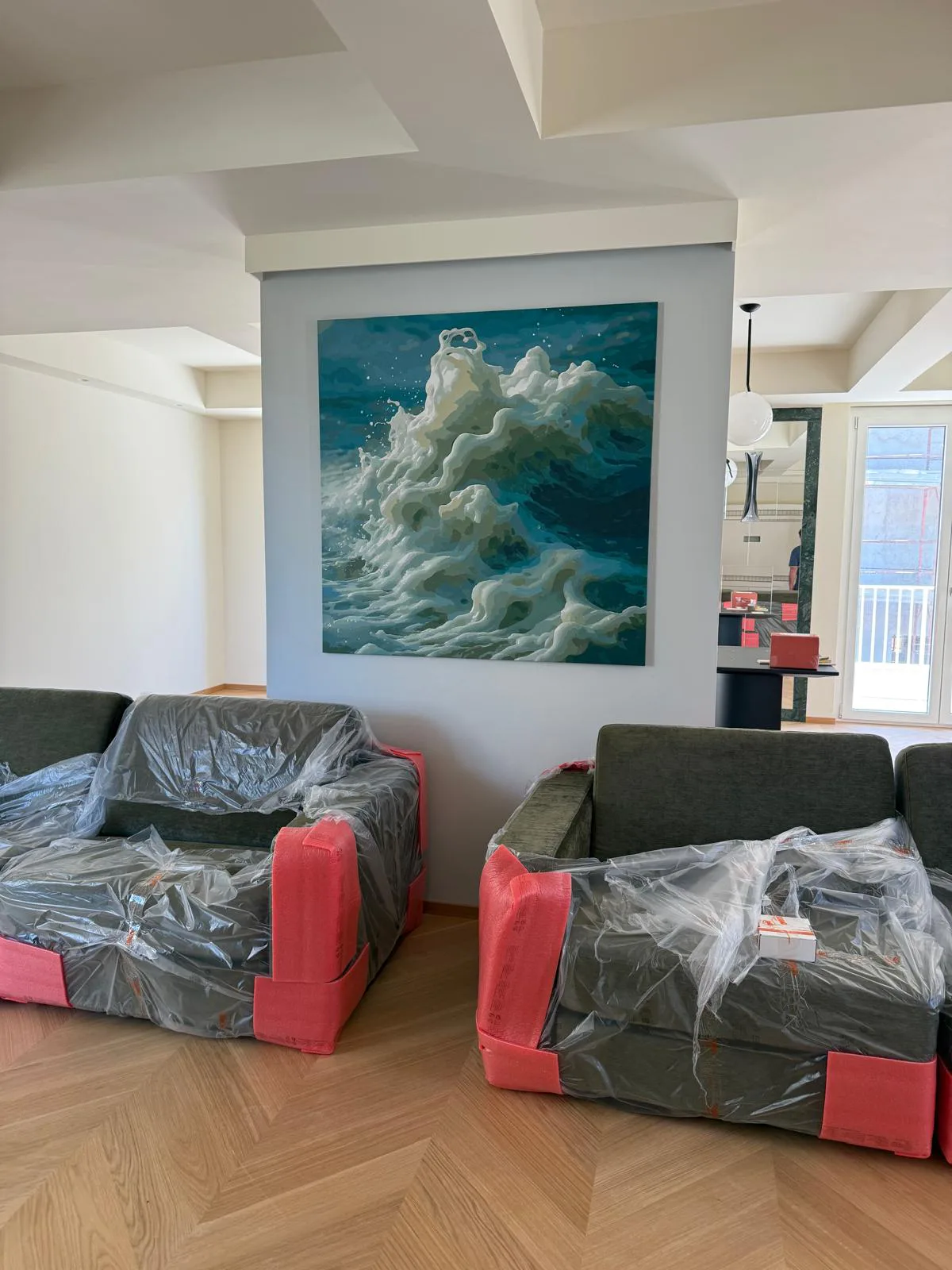
Scale Matters: The Power of Large-Scale Paintings
One of the defining elements of urban art in interiors is scale.
Large paintings do not simply fill a wall—they redefine it.
A single large-scale artwork can:
- Anchor an entire room
- Replace multiple decorative elements
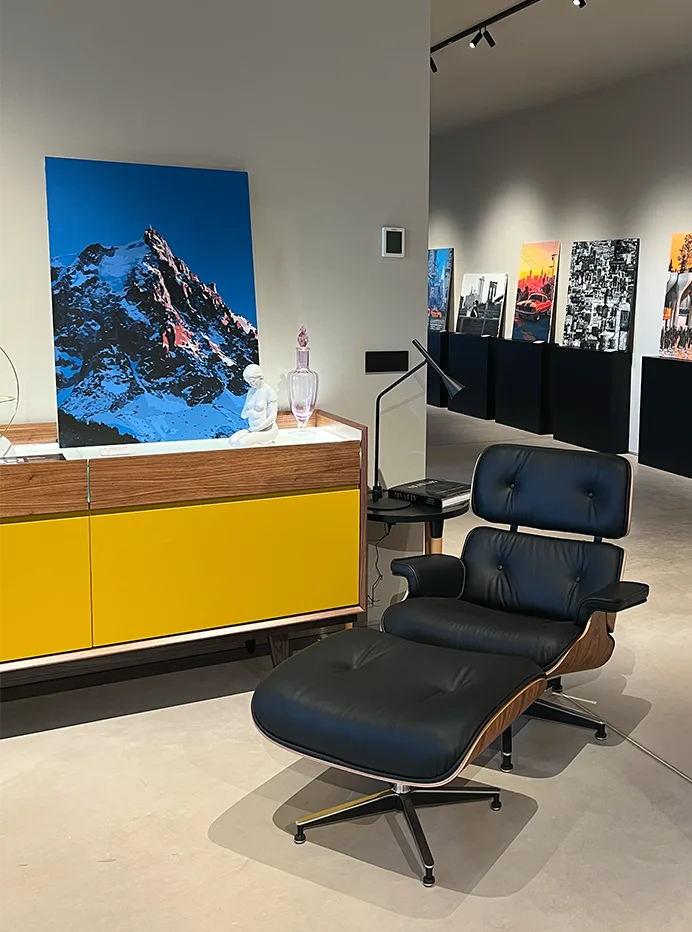
- Create a gallery-like presence in private spaces
Especially in living rooms, lofts, or open-plan environments, large urban paintings establish a strong visual identity without overcrowding the space.
Texture and Material: Beyond the Image
Urban art is not only about what you see, but how it is built.
Techniques involving layered paint, spray applications, and controlled imperfections create surfaces that change with light and perspective. From a distance, the image may appear cohesive and almost photographic; up close, it reveals abstraction, fragmentation, and raw materiality.
This dual perception makes the artwork continuously engaging—never static.
Urban Art in Different Interior Styles
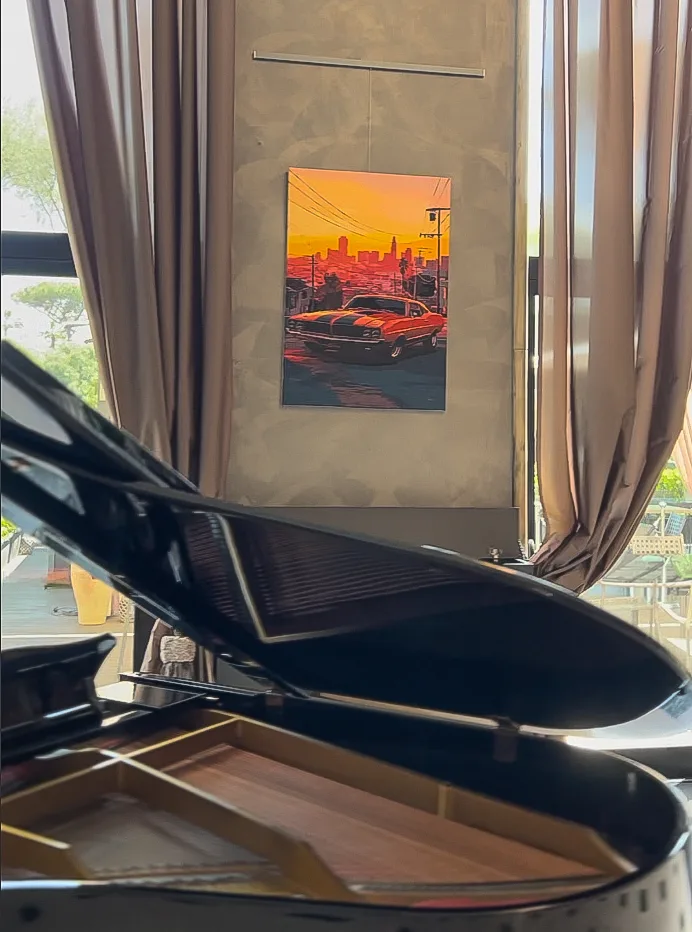
Minimalist Interiors
A bold urban painting becomes the focal point, adding depth without compromising simplicity.
Industrial Spaces
Concrete, metal, and raw materials naturally resonate with urban textures and themes.
Modern Luxury
In refined environments, urban art introduces contrast—breaking perfection with authenticity.
Residential Spaces
From living rooms to private studios, urban artworks bring personality and narrative into everyday life.
Choosing the Right Artwork
Selecting the right piece is not just about matching colors—it’s about resonance.
Consider:
- The scale of the wall
- The distance from which the artwork will be viewed
- The emotional tone you want to introduce
A well-chosen urban painting should feel integrated yet distinct—part of the space, but never invisible.
Art as Identity
In contemporary interiors, art is no longer an accessory. It is a statement.
Urban art, with its layered language and connection to real environments, allows collectors to bring a fragment of the city into their private space—transforming walls into surfaces of meaning.
It reflects not only where we live, but how we experience the world.
Conclusion
Urban art offers a unique balance between structure and expression, making it an ideal choice for modern interiors. Through scale, texture, and visual rhythm, it transforms spaces into environments that are not only designed—but lived.
Explore available paintings to discover works that can redefine your space with a contemporary urban language.